2025-11-27
Visited : 1539
Grapherry, a Chicago-based clean-tech materials company, has developed a method for producing graphene from carbon waste at industrial scale. This process aims to make high-quality, cost-effective graphene more accessible for practical applications.
With support from mHUB Chicago, CURRENT, and the Illinois Science and Technology Coalition, Grapherry has advanced its protected continuous-flow manufacturing system for graphene production. The company’s work aligns with broader efforts to develop scalable and lower-cost materials using circular principles.
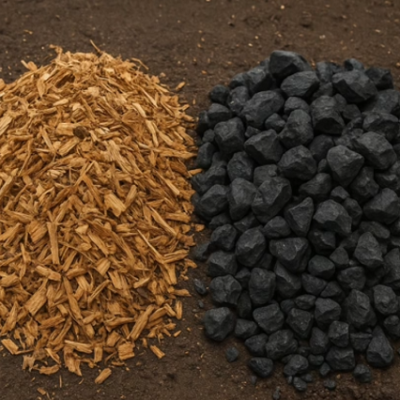
Grapherry’s process converts carbon-rich waste into industrial-grade graphene that can be used in energy storage, composites, agriculture, and construction. Compared with conventional production methods, the approach requires less energy and results in lower environmental impact by making use of waste that might otherwise be discarded.
In collaboration with the University of Illinois Chicago, Grapherry is testing its graphene with battery manufacturers and agricultural partners. Initial results reportedly indicate improvements in electrode performance, soil quality, and composite materials. These collaborations explore how waste-derived graphene might contribute to developments in energy technology, sustainable building materials, and agricultural applications.
“Grapherry was founded on a simple but powerful idea - that carbon waste can be transformed into valuable materials that serve people and the planet,” said Namrita Berry, President of Grapherry. “Our mission is to make graphene affordable, scalable, and accessible, unlocking its potential across industries while advancing a sustainable, carbon-smart future.”
As part of its applied research initiatives, Grapherry has introduced Rutz Soil Enhancer™, a soil amendment incorporating graphene to study performance and sustainability benefits in agriculture.
Read the original article on Graphene-Info.