CEDR, a cornerstone of ADEPT Live Labs 2: Decarbonizing Local Roads, is focused on evaluating innovative, sustainable solutions to reduce the carbon footprint of road infrastructure.
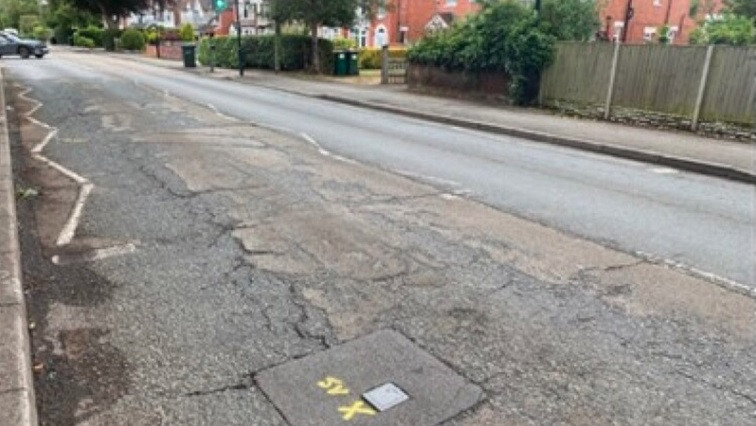
A highlight of these trials is the use of graphene-enhanced asphalt. By incorporating graphene-modified binders, the trials aim to demonstrate how graphene technology can significantly extend pavement life and reduce long-term maintenance needs, directly supporting road decarbonization efforts. The comparative evaluation of graphene-enhanced asphalt will take place alongside other innovative low-carbon materials, under real-world conditions on Coventry’s Willenhall Lane and Broad Lane.
The project involves data collection and independent performance and carbon footprint verification, with expertise provided by Aston University, Colas, and the University of Nottingham. Holcim, the material supplier, along with contractors Balfour Beatty and MacDonald Surfacing, are supporting local delivery.
“These collaborations allow us to test and refine low-carbon asphalt technologies in real-world conditions, accelerating our mission to decarbonise road infrastructure,” said Holcim national technical manager, Neil Leake.
CEDR will publish a case study and summary of the initial findings from Coventry’s graphene-focused trials later this year, offering valuable insights into the practical impacts and benefits of graphene modifications in asphalt.
Read the original article on Graphene-Info.