
| Date | 25th, Apr 2020 |
|---|
Home > Press > Multi-functionalization of graphene for molecular targeted cancer therapy
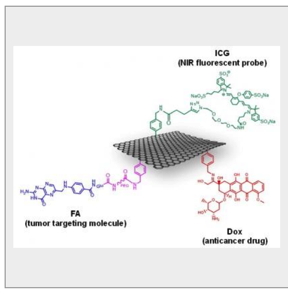 Figure 1. Schematic illustration of multi-functional graphene.
CREDIT
JAIST, CNRS
Figure 1. Schematic illustration of multi-functional graphene.
CREDIT
JAIST, CNRS
Abstract: "Three" kinds of regalia such as crown, orb, and sward are often necessary to be a high king for conquering the world. For fighting off cancerous diseases, what do we need? This "triple" chemical modified nanomaterial might be save the patient.
Ishikawa, Japan | Posted on April 24th, 2020
Cancer is a leading cause of death worldwide. Under this situation, a successful tumor selective drug targeting and minimized toxicity of cancer drug are urgently necessary.
Scientists from Japan Advanced Institute of Science and Technology (JAIST) and Centre national de la recherche scientifique (CNRS), and their colleagues have developed a type of nanomedicine based on multi-functional graphene that allows for targeted cancer treatment at molecular level.
Single molecular sheet graphene is a promising carbon nanomaterial for various fundamental and practical applications in the next decade because of its excellent physico-chemical features. Graphene has been also known to have a good biocompatibility and biodegradability, thus leading to explore this nanocarbon as drug delivery carrier. However, it is not easy to modify a lot of individual functional molecules onto a graphene nano-sheet at the same time for its biomedical applications.
Developed by Prof. Eijiro Miyako from JAIST (Nomi, Japan), Dr. Alberto Bianco from CNRS (Strasbourg, France), and their international teams, the multi-functional graphene as a drug delivery carrier are successfully synthesized with "three" type of molecules such as near-infrared (NIR) fluorescent probe (indocyanine green; ICG), tumor targeting molecule (Folic acid: FA), and anticancer drug (doxorubicin; Dox) by a covalent chemical modification technique (Figure 1). ICG (green color part in the picture) was chosen as fluorophore to follow the uptake and to track the material inside the cells. FA (blue) was covalently bound through a polyethylene glycol (pink) linked to graphene, to specifically target the cancer cells, and Dox (red) was used as anticancer drug.
Aside from testing the therapeutic abilities to eliminate cancer cells in a culture dish, the team found that the unique properties of this multi-functional graphene showed an enhanced anticancer activity with excellent cancer targeting effect. This would open the doors to future biomedical applications of this type of material. The team plans to continue exploring multi-functional graphene towards the cancer therapy using murine animal model.
###
The work was supported by the Japan Society for the Promotion of Science KAKENHI Grant-in-Aid for Scientific Research (A) and (B), the KAKENHI Fund for the Promotion of Joint International Research, the Agence Nationale de la Recherche (ANR), the Graphene Flagship, the Spanish MINECO, the Generalitat Valenciana.
####
For more information, please click here
Contacts:Eijiro Miyako
81-761-511-540
Copyright © Japan Advanced Institute of Science and Technology (JAIST)
If you have a comment, please Contact us.
Issuers of news releases, not 7th Wave, Inc. or Nanotechnology Now, are solely responsible for the accuracy of the content.
Bookmark:


News and information
 New technology helps reveal inner workings of human genome June 24th, 2022
Boron nitride nanotube fibers get real: Rice lab creates first heat-tolerant, stable fibers from wet-spinning process June 24th, 2022
Cancer
New technology helps reveal inner workings of human genome June 24th, 2022
Electron-phonon coupling assisted universal red luminescence of o-phenylenediamine-based CDs June 10th, 2022
Emerging vaccine nanotechnology June 3rd, 2022
Graphene/ Graphite
OCSiAl expands its graphene nanotube production capacities to Europe June 17th, 2022
Bumps could smooth quantum investigations: Rice University models show unique properties of 2D materials stressed by contoured substrates June 10th, 2022
Govt.-Legislation/Regulation/Funding/Policy
Solving the solar energy storage problem with rechargeable batteries that can convert and store energy at once June 24th, 2022
Boron nitride nanotube fibers get real: Rice lab creates first heat-tolerant, stable fibers from wet-spinning process June 24th, 2022
UBCO researchers change the game when it comes to activity tracking: Flexible, highly sensitive motion device created by extrusion printing June 17th, 2022
University of Illinois Chicago joins Brookhaven Lab's Quantum Center June 10th, 2022
Possible Futures
New technology helps reveal inner workings of human genome June 24th, 2022
Boron nitride nanotube fibers get real: Rice lab creates first heat-tolerant, stable fibers from wet-spinning process June 24th, 2022
Nanomedicine
New technology helps reveal inner workings of human genome June 24th, 2022
New nano-gel to protect children receiving chemotherapy from hearing loss June 17th, 2022
Discoveries
New technology helps reveal inner workings of human genome June 24th, 2022
Boron nitride nanotube fibers get real: Rice lab creates first heat-tolerant, stable fibers from wet-spinning process June 24th, 2022
Announcements
New technology helps reveal inner workings of human genome June 24th, 2022
Boron nitride nanotube fibers get real: Rice lab creates first heat-tolerant, stable fibers from wet-spinning process June 24th, 2022
Grants/Sponsored Research/Awards/Scholarships/Gifts/Contests/Honors/Records
Solving the solar energy storage problem with rechargeable batteries that can convert and store energy at once June 24th, 2022
Boron nitride nanotube fibers get real: Rice lab creates first heat-tolerant, stable fibers from wet-spinning process June 24th, 2022
Research partnerships
New technology helps reveal inner workings of human genome June 24th, 2022
Boron nitride nanotube fibers get real: Rice lab creates first heat-tolerant, stable fibers from wet-spinning process June 24th, 2022
