
Researchers at RMIT University (Australia) introduced a hyper-efficient broadband photodetector capable of imaging all shades of light between the UV and near-infrared ranges and is at least 1000× thinner than existing commercially available photodetection devices. The construction of the prototype featured a single nanothin layer on a chip, as opposed to a stacked structure of three or more layers. The technology improves biomedical imaging possibilities and capabilities, especially in the early detection of diseases and other health issues.
Operating speed, low-level light sensitivity, and the extent to which they can sense the full spectrum are conventional gauges for the effectiveness and versatility of photodetection devices. While improving one of those areas often diminishes another, the researchers successfully implemented their single-layered structure without compromising speed, low-light sensitivity, or range of visibility.

It is also a thin device — thinner than a nanometer — which could lead to a reduction in size of medical imaging equipment, and increased accuracy in targeting cancerous cells in procedures such as radiation therapy.
“Shrinking the technology could also help deliver smaller, portable medical imaging systems that could be brought into remote areas with ease, compared to the bulky equipment we have today,” said Vaishnavi Krishnamurthi, lead author of the article describing the photodetector.
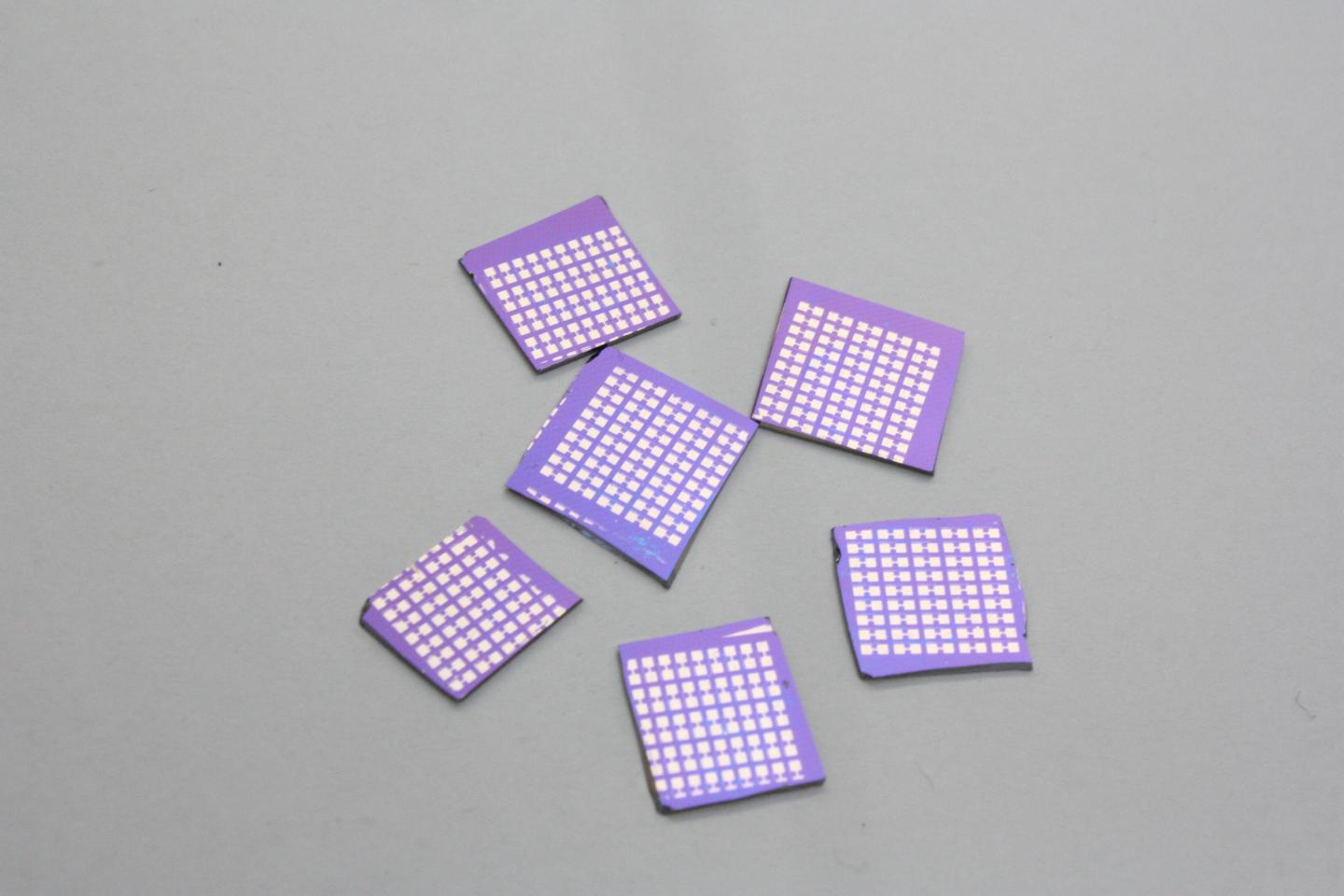
The photodetector can be integrated with existing technologies, such as CMOS chips, and the research team is looking at industry applications. With further development, applications including more effective motion detection in security cameras, and faster, more efficient data storage could emerge as possibilities, said RMIT University’s Sumeet Walia, chief investigator of the research.
The research was published in Advanced Materials (www.doi.org/10.1002/adma.202004247).
