
Although graphene-based substances are a potential adsorbent material, their performance in eliminating pharmaceutical pollutants has been restricted due to deterioration induced by aggregation and a lack of control over their porosities and dimensions. A paper published in the journal Advanced Sustainable Systems reported the formation of unique graphene material supported with high porosity composite foam to combat aggregation.
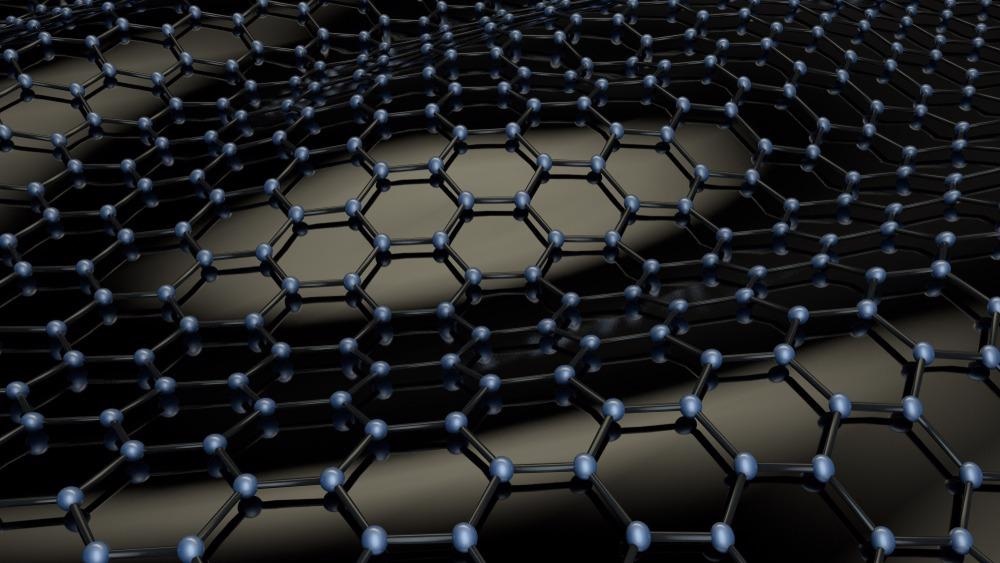
Novel Graphene-Based Foam Composite As a Highly Reactive Filter Medium for the Efficient Removal of Gemfibrozil from (Waste)Water. Image Credit: 3DStach/Shutterstock.com
Increasing Contribution of Pharmaceuticals Towards ECs
Pharmaceuticals are among the most prominent emerging contaminants (ECs) in water systems. They may cause severe environmental consequences along with potential health problems.
To successfully eradicate ECs from processed wastewater streams, effluent and drinking water purification facilities must adopt adequate tertiary treatment methods.
Adsorption – The Method of Choice for Water Treatment
Adsorption is regarded as a technology with great potential in water treatment. It is a dependable, less expensive approach compared to reverse osmosis, oxidizing, microfiltration, ultrafiltration, and ion exchange, among others.
The most obvious benefits of employing adsorption for treating wastewater are simplicity of the procedure, an abundant supply of various kinds of adsorbent materials, cost-effectiveness, and the capacity to remove most types of contaminants such as biological, inorganic/organic, or insoluble/soluble.
Unfortunately, the adsorptive approach for water treatment does have certain practical constraints, most notably a shortage of large capacity adsorbent materials for a large variety of ECs. Graphene-based substances outperformed numerous other potential adsorbent materials explored, demonstrating encouraging effectiveness in this regard.
Pros and Cons of Graphene-based Materials
Graphene and graphene oxide (GO) have a large adsorbing propensity for natural contaminants due to their large innate specific area (relative to numerous different carbonaceous substances), wettability, monolayered architecture, and a surface adorned with oxygen-containing functional groups (OCFGs).
Despite the optimum adsorptive performance and consistent reusability of porous graphene (PG) towards a variety of emerging contaminants, issues in isolating these graphene-based materials (GBMs) out of water, along with their restricted reusability, limits their realistic implementations in large-scale water treatment.
Another significant impediment to their use is agglomeration among their sheets. Restacking allows this agglomeration to restore the graphene-based material to its basic source material (graphite).
