
| Date | 1st, Oct 2022 |
|---|
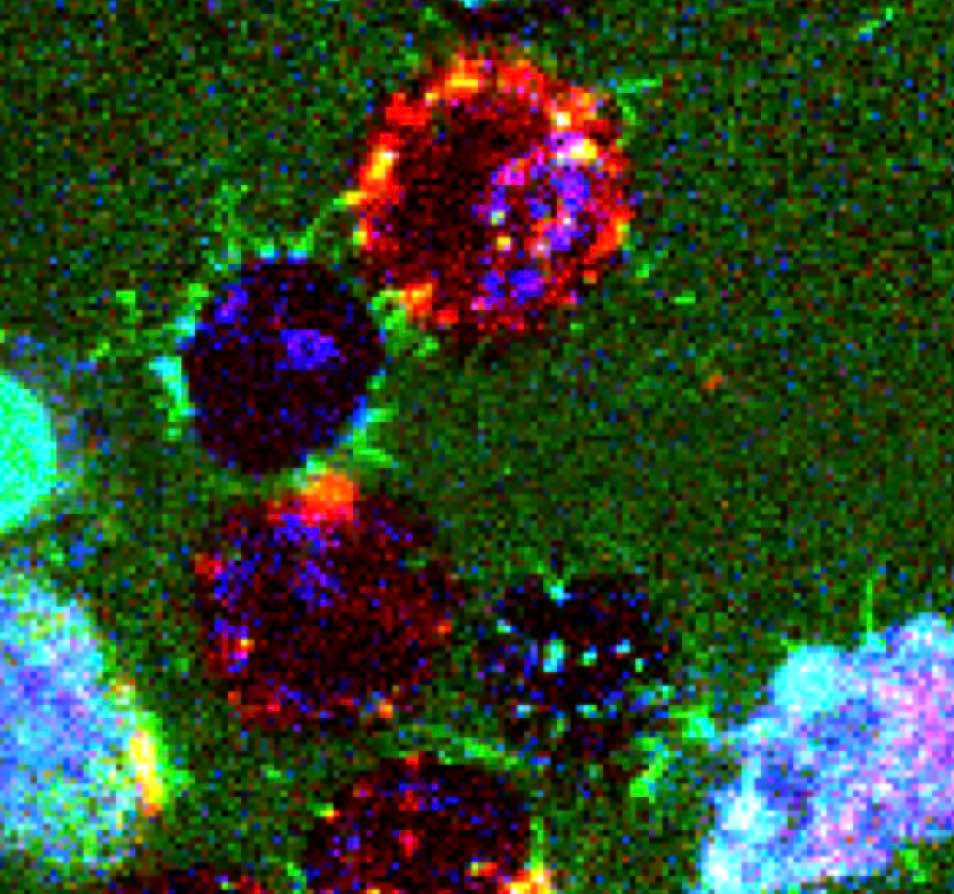
Tubes, visible in light green, are roughly seven nanometers in diameter — about two million times smaller than an ant — and several microns long, or about the length of a dust particle. Credit: Johns Hopkins University
Working on microscopic pipes just a millionth the width of a single strand of human hair, Johns Hopkins University researchers devised a method to protect these tiniest of pipelines against even the smallest of leaks.
Leak-free pipe constructed of self-assembling, self-repairing nanotubes that can link to different biostructures is a huge step toward developing a nanotube network that might one day carry specialized drugs, proteins, and molecules to specified cells in the human body. The highly precise measurements were recently outlined in Science Advances.
