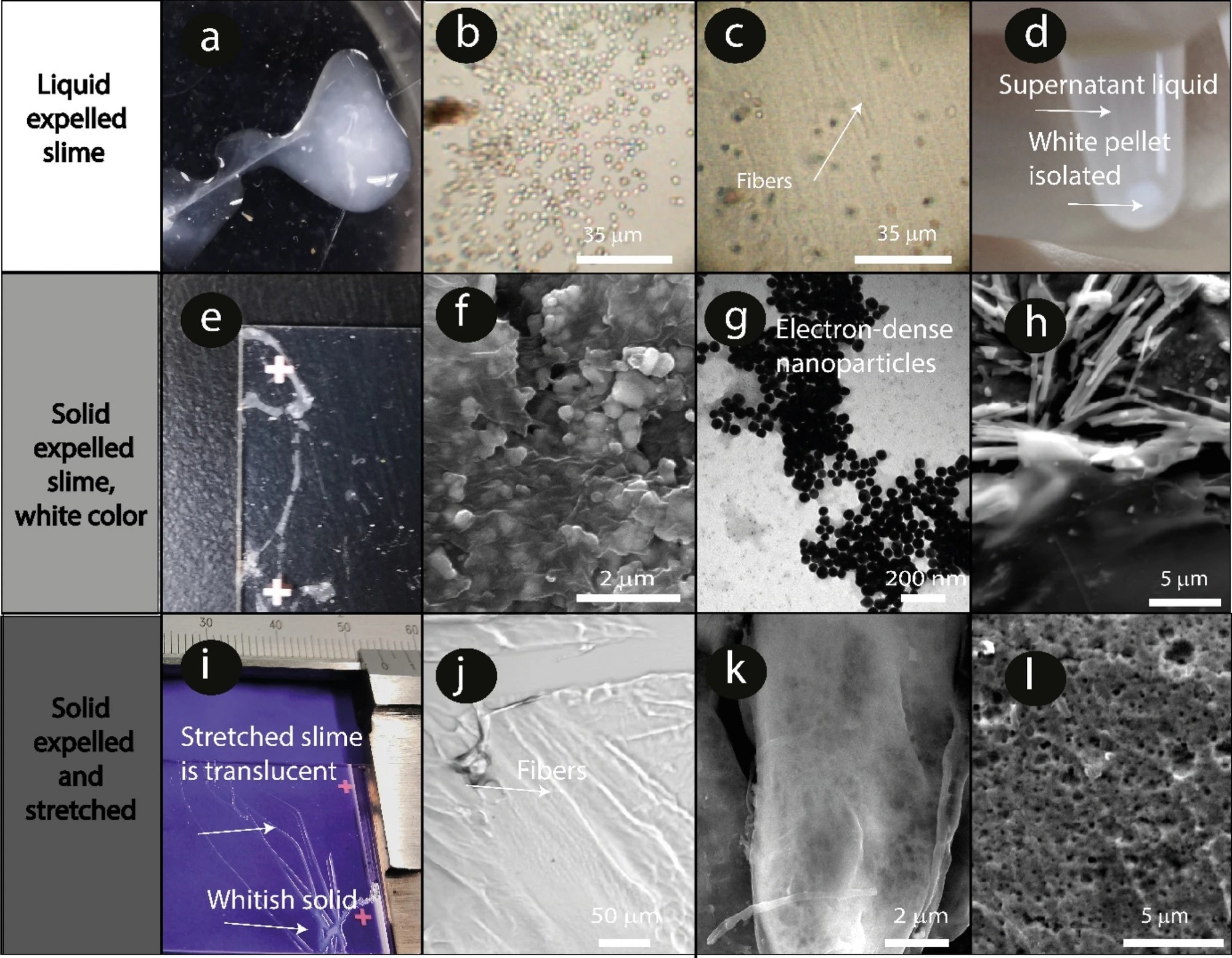
In an article published in Scientific Reports, researchers investigated the slime expelled by the velvet worm (Epiperipatus biolleyi), both after and before expulsion. They also thoroughly studied the nano- and microstructures of the slime. The findings revealed abundant encapsulated carbonate salts and phosphate in addition to the previously described carbohydrates, protein nanoglobules, and lipids.

Study: Encapsulated salts in velvet worm slime drive its hardening. Image Credit: Dr Morley Read/Shutterstock.com
Additionally, CO2 bubbles were detected as the slime hardened. These results, coupled with further observation, pointed to the possibility that the encapsulated salts from the expelled slime quickly neutralized and dissolved in a manner analogous to a baking-powder reaction, which quickened the drying of the slime. Shear stress and the ions’ neutralization reaction consequently affected the proteins’ aggregation and conformation, raising the ionic strength and pH of the slime.
These findings about the drying procedure of the expelled slime of the velvet worm demonstrated how naturally formed polymerizations could unravel in seconds. The results also inspired novel polymers that were fast-drying or stimuli-responsive under suitable conditions.